 Estudiantes de La Plata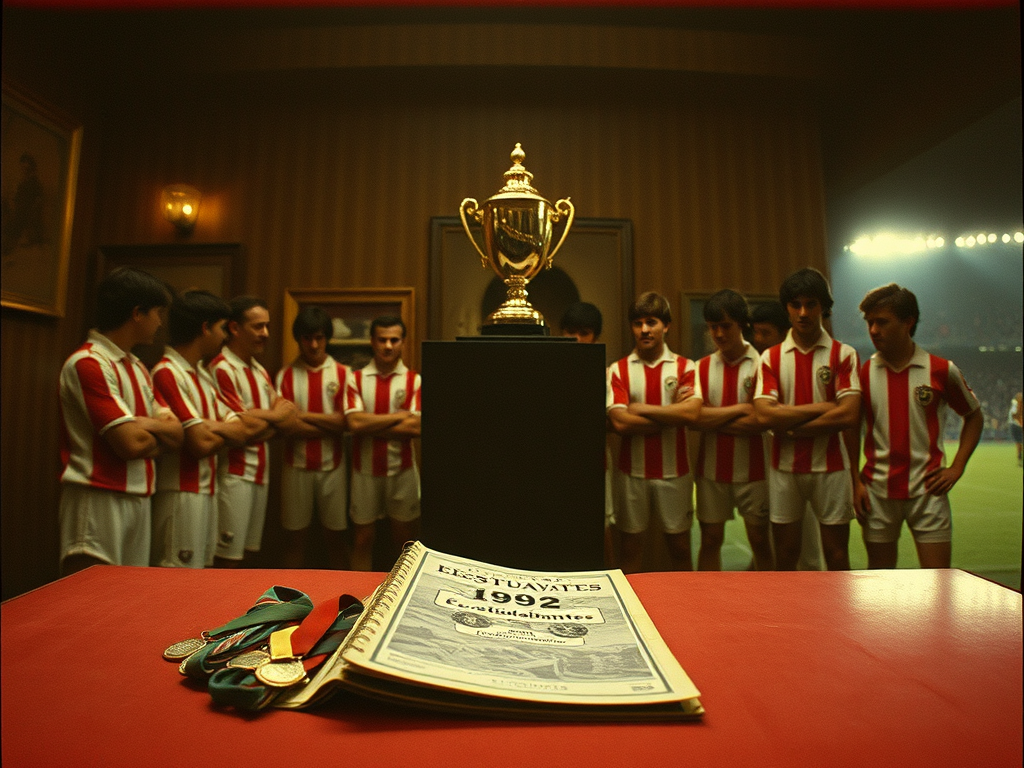
In the annals of Estudiantes de La Plata, the year 1982 stands out as a testament to the club's unwavering spirit and ambition. Following their triumph in the Copa Libertadores in 1968, the expectations surrounding Los Pincharratas grew, and the team was determined to reclaim glory on the South American stage. The 1982 Copa Libertadores journey was not merely a campaign; it was a narrative of resilience, strategy, and the relentless pursuit of excellence.
Led by the astute coaching of Carlos Bilardo, Estudiantes entered the tournament with a blend of seasoned veterans and promising talents. The squad was anchored by stalwarts such as goalkeeper Nery Pumpido and the fierce midfielder Juan Ramón Verón, who played a pivotal role in the team's midfield dynamism. Estudiantes was placed in a challenging group that included the likes of Nacional and Peñarol from Uruguay, testing their mettle right from the onset.
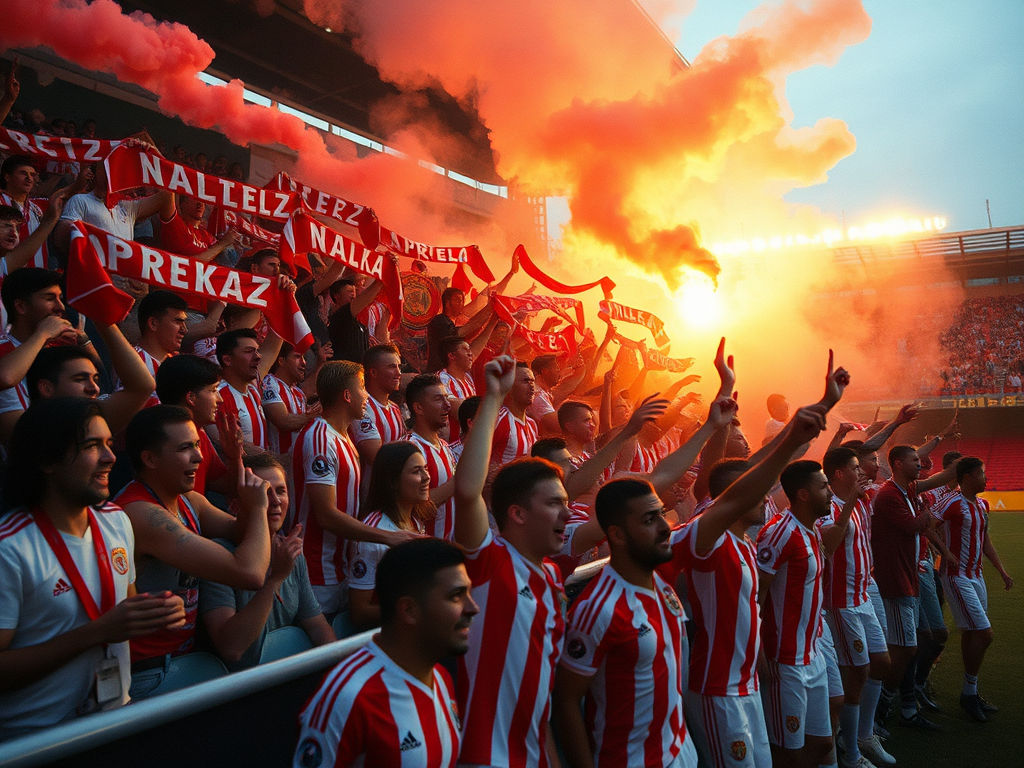
The group stage saw Estudiantes navigate through fierce competition, showcasing their trademark defensive solidity and tactical discipline. Each match unfolded like a tactical chess game, with Bilardo's strategies often outsmarting more illustrious opponents. The fans at the Estadio Jorge Luis Hirschi were treated to a thrilling display of football, where every inch gained was celebrated as a victory against their rivals. The atmosphere was electric, with supporters rallying behind their team, embodying the spirit of La Plata.
As the tournament progressed, Estudiantes reached the knockout stages, a testament to their tenacity and ability to perform under pressure. The quarter-finals brought a clash against the Brazilian giants, Flamengo. The first leg in La Plata ended in a hard-fought draw, but the return leg in Rio de Janeiro was particularly challenging. Despite the odds stacked against them, Estudiantes showcased a display of grit and determination, pushing Flamengo to the brink. The aggregate score was narrow, but it was enough to send shockwaves through South America, reminding everyone that Estudiantes was a force to be reckoned with.
The semi-finals were no less dramatic, with Estudiantes pitted against another Brazilian side, Atlético Mineiro. The series was a battle of attrition, with both teams showcasing their defensive prowess. Estudiantes, however, had the advantage of experience and tactical acumen, which ultimately saw them through to the final. The passion of the supporters echoed through the stadium, creating an atmosphere reminiscent of their past glories.
As Estudiantes prepared for the final against the formidable Cobreloa from Chile, the weight of history loomed large. Fans reminisced about the club’s past successes, and the players felt the pressure to deliver once more. The first leg took place in La Plata, and the home advantage proved crucial. The team delivered a resolute performance, taking a lead that ignited hopes of lifting the prestigious trophy once again.
The second leg in Chile was fraught with tension, as Cobreloa sought to overturn the deficit. Estudiantes, however, remained steadfast, showcasing a defensive masterclass that frustrated their opponents. The final whistle confirmed their aggregate victory, and the jubilant celebrations that ensued were a reflection of the dreams realized and the legacy continued.
The 1982 Copa Libertadores journey was more than just a tournament; it was a reaffirmation of Estudiantes de La Plata's identity as a club that thrives on challenges. This campaign not only showcased their tactical evolution but also instilled a sense of pride in their supporters, establishing a legacy that would inspire future generations. As fans look back on this pivotal year, the echoes of triumph and resilience remind us that Estudiantes is a club built on passion, determination, and an undying love for the game.